
Feast Day: July 22nd
Apostle to the Apostles
Patron Saint of Women, Converts, Sinners, Pharmacists, Tanners
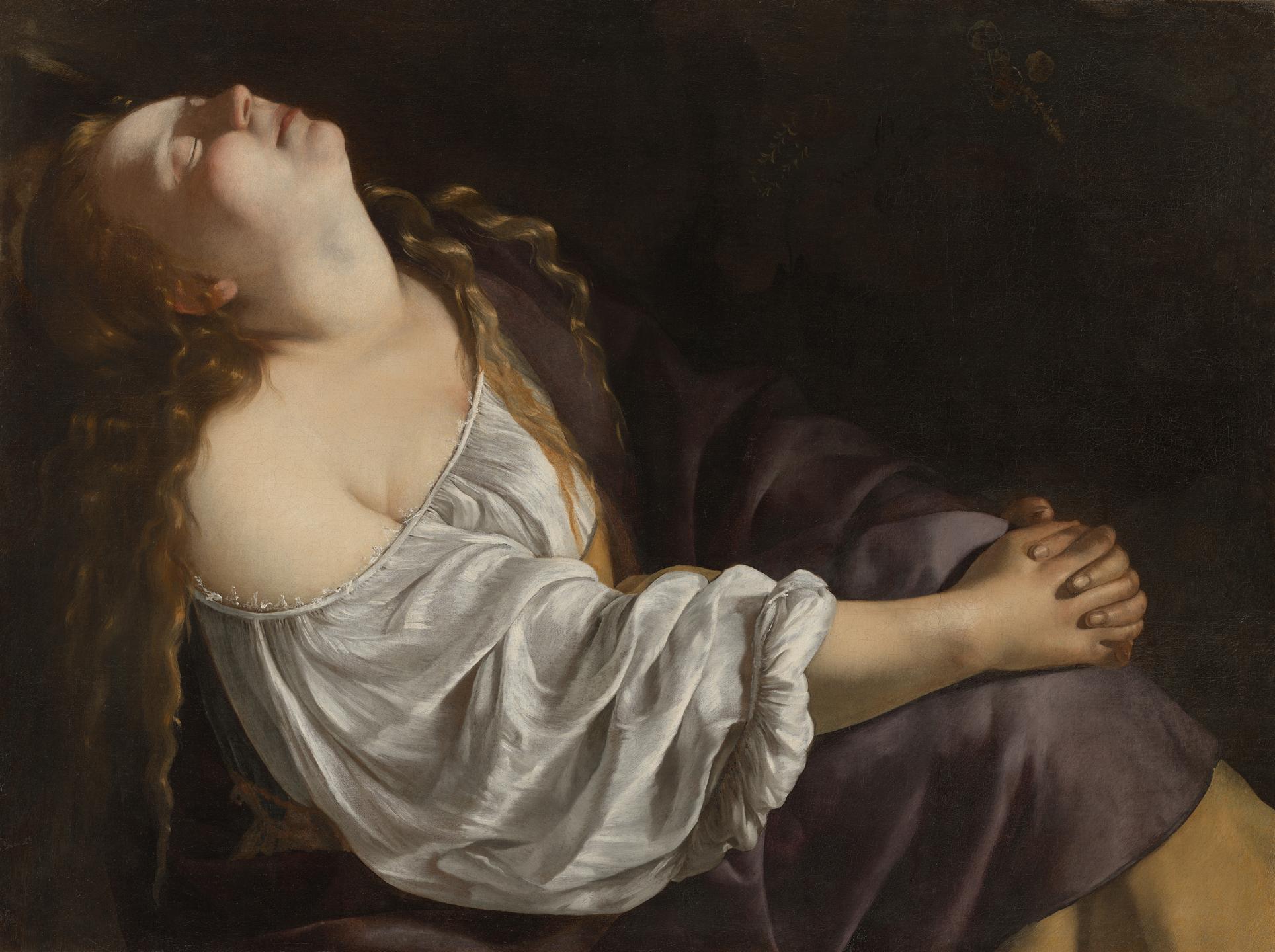
“Mary Magdalene in Ecstasy” — Artemisia Gentileschi, c. 1625. Oil on canvas. Collection of the National Gallery of Art, Washington, D.C. Image courtesy of the National Gallery of Art (public domain/Open Access).
“I have seen the Lord.” (John 20:18)”. St. Mary Magdalene
Artemisia Gentileschi portrays St. Mary Magdalene at a moment of profound spiritual encounter. Rather than depicting her as a sorrowful penitent, Gentileschi presents her with her head lifted toward heaven, eyes closed, and hands clasped in prayer, capturing the overwhelming joy and grace of a soul transformed by Christ.
According to the Gospel of Luke (8:2), Jesus cast seven demons from Mary Magdalene. She became one of His most faithful disciples, remained at the foot of the Cross, witnessed His burial, and was the first person to encounter the risen Christ on Easter morning. Jesus then entrusted her with announcing His Resurrection to the Apostles, earning her the enduring title “Apostle to the Apostles.”
This masterpiece by Artemisia Gentileschi (c. 1625) is now part of the permanent collection of the National Gallery of Art in Washington, D.C. In 2025, the museum acquired the painting through a gift of funds from philanthropist Nina J. Cohen and the Patrons’ Permanent Fund, marking the National Gallery’s first major work by Gentileschi and a landmark addition to its collection of Italian Baroque art. The museum has not publicly disclosed the purchase price.
Faith Journey
St. Mary Magdalene was a devoted follower of Jesus Christ whose life was transformed through His mercy and healing. The Gospels tell us that Jesus cast seven demons from her (Luke 8:2), marking the beginning of a remarkable journey from suffering to discipleship. Rather than returning to her former life, Mary dedicated herself completely to following Christ and supporting His ministry.
She accompanied Jesus throughout His public ministry, along with other faithful women who provided for Him and the Apostles out of their own resources (Luke 8:1–3). While many of the disciples fled during Christ’s Passion, Mary Magdalene remained steadfast. She stood at the foot of the Cross, witnessed His burial, and returned to His tomb early on the first day of the week to anoint His body.
On Easter morning, Mary became the first witness of the Resurrection. When she encountered the risen Christ outside the empty tomb, Jesus called her by name, and she immediately recognized Him. He entrusted her with announcing His Resurrection to the Apostles, saying, “Go to my brothers and tell them, ‘I am ascending to my Father and your Father, to my God and your God'” (John 20:17). Mary faithfully carried out His command, proclaiming with joy, “I have seen the Lord” (John 20:18). For this reason, the Church honors her with the title “Apostle to the Apostles,” recognizing her as the first to proclaim the Good News of Christ’s Resurrection.
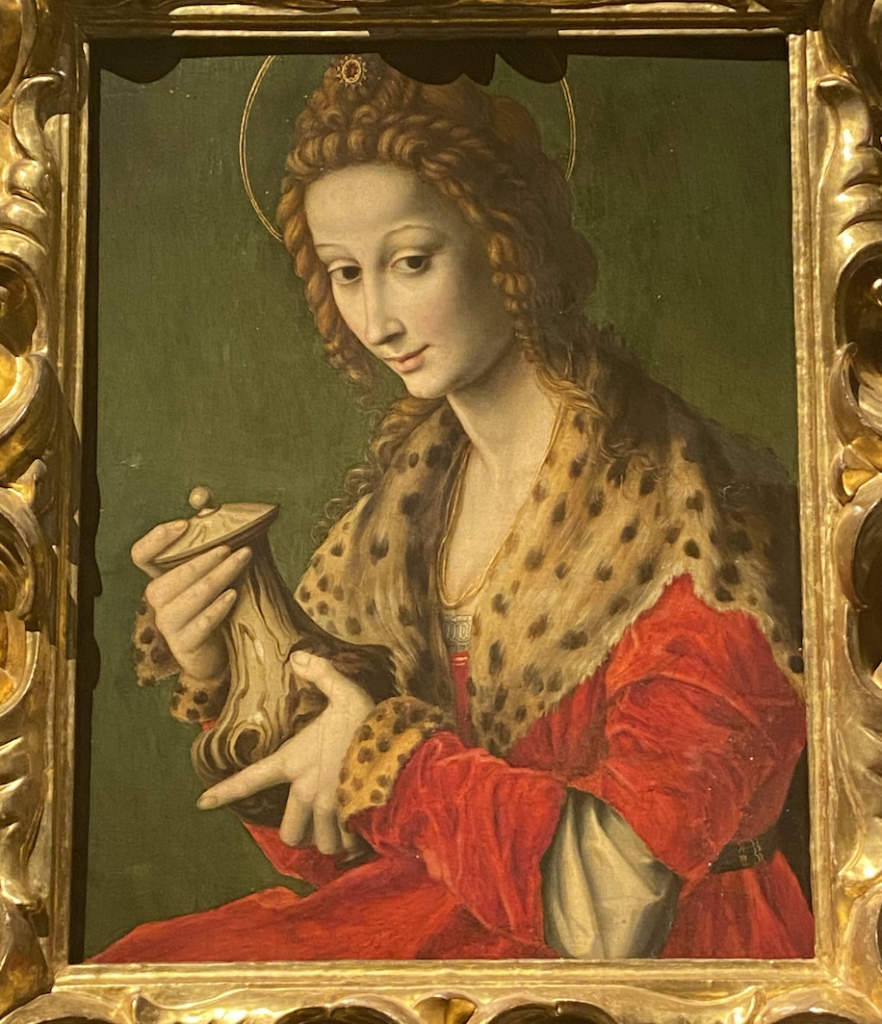
This photograph, taken during a pilgrimage to the Vatican Museums in Rome in 2022, captures St. Mary Magdalene as painted by the Florentine Renaissance artist Francesco d’Ubertino Verdi, better known as Bachiacca (c. 1530). Holding the traditional alabaster jar of ointment, Mary Magdalene is immediately recognized as the faithful disciple who followed Christ, witnessed His Crucifixion, and became the first to encounter the risen Lord on Easter morning. The halo signifies her holiness, while her rich red garments symbolize her love and unwavering devotion to Jesus. Unlike many traditional portrayals of Mary Magdalene as a penitent, Bachiacca presents her with dignity and quiet strength, emphasizing her role as the “Apostle to the Apostles.” Today, this masterpiece is part of the permanent collection of the Vatican Museums, reminding pilgrims that Mary Magdalene’s greatest legacy was not her past, but her faithful witness to the Resurrection of Jesus Christ.
Photograph by Maureen St. Pierre, Vatican Museums, Rome (2022).
Challenges and Virtues
Throughout her life, St. Mary Magdalene faced profound spiritual and emotional challenges. Before encountering Christ, she suffered greatly, with the Gospel of Luke recording that Jesus cast seven demons from her (Luke 8:2). She endured the heartbreak of witnessing Christ’s Crucifixion, remained at His tomb in grief, and faced disbelief when she became the first to proclaim His Resurrection to the Apostles.
Despite these challenges, she lived with extraordinary virtues:
Faithfulness – She remained with Jesus at the Cross when many of His disciples fled in fear.
Devotion – She followed Christ throughout His ministry, serving Him with unwavering love and generosity.
Courage – She boldly proclaimed the Resurrection after Jesus entrusted her with announcing the Good News to the Apostles.
Perseverance – She remained at the empty tomb even in sorrow, seeking Christ until He revealed Himself to her.
Hope – Even in the darkness of Good Friday and the silence of Holy Saturday, she continued to trust in the Lord.
Love – Her deep love for Christ was evident in her faithful presence during His Passion and her joyful response to His call on Easter morning.
Her life reminds us that God’s mercy can transform even our deepest wounds into a powerful witness of faith. From a woman healed by Christ to the “Apostle to the Apostles,” Mary Magdalene’s story teaches us that those who encounter the risen Lord are called to share His love and proclaim the hope of the Resurrection to the world.
Her life shows a balance of mysticism and action—deep prayer that led to courageous service
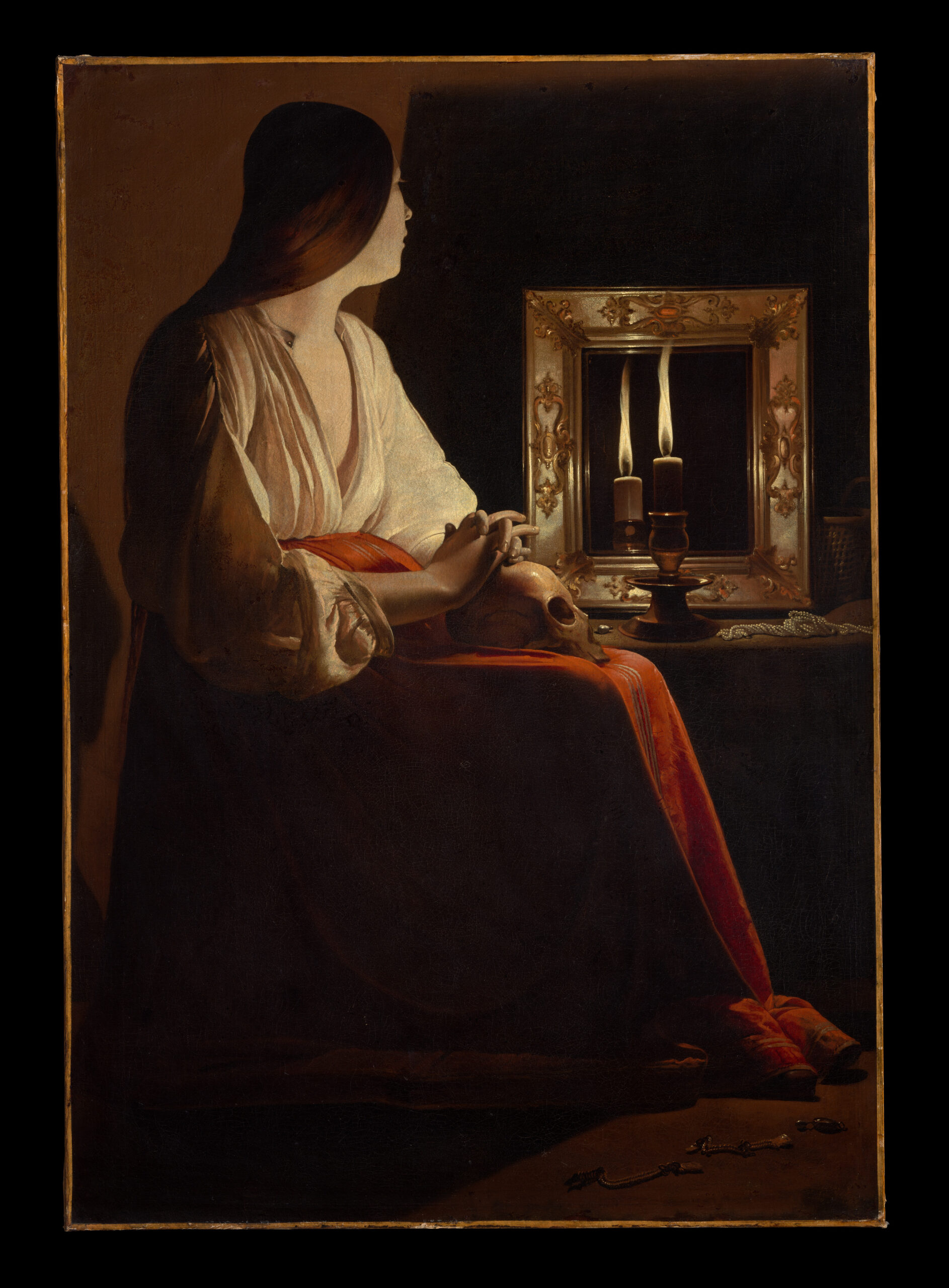
The Penitent Magdalen was painted by the French Baroque master Georges de La Tour around 1640 and is now part of the permanent collection of The Metropolitan Museum of Art in New York City, where his masterful use of candlelight and shadow creates a powerful meditation on repentance, mortality, and the transforming grace of Christ.
Canonization and Legacy
After Christ’s Resurrection, St. Mary Magdalene became one of the most influential women in the history of Christianity. As the first witness of the empty tomb and the first to proclaim the risen Lord to the Apostles, the early Church honored her as a faithful disciple and courageous evangelist. Her witness to the Resurrection has inspired Christians for nearly two thousand years.
Although Mary Magdalene lived during the time of Christ and was recognized as a saint by the earliest Christian communities, her importance has continued to grow throughout the centuries.
Her legacy continues today through:
- Her title, “Apostle to the Apostles,” recognizing her as the first messenger of Christ’s Resurrection.
- Her witness in Sacred Scripture, especially John 20:1–18, where she encounters the risen Christ and proclaims, “I have seen the Lord.”
- Her elevation to a Feast Day by Pope Francis in 2016, placing her liturgical celebration on a level comparable to the Apostles in recognition of her unique mission in salvation history.
- Her example of God’s mercy and redemption, reminding Christians that no life is beyond the transforming grace of Christ.
- Her patronage of converts, penitent sinners, women, and pharmacists, inspiring countless believers to seek healing, hope, and new life in Christ.
St. Mary Magdalene remains a powerful witness that an encounter with the risen Christ can transform a life forever. From a woman healed by Jesus to the first herald of the Resurrection, her voice continues to echo through the centuries with the joyful proclamation: “I have seen the Lord.”
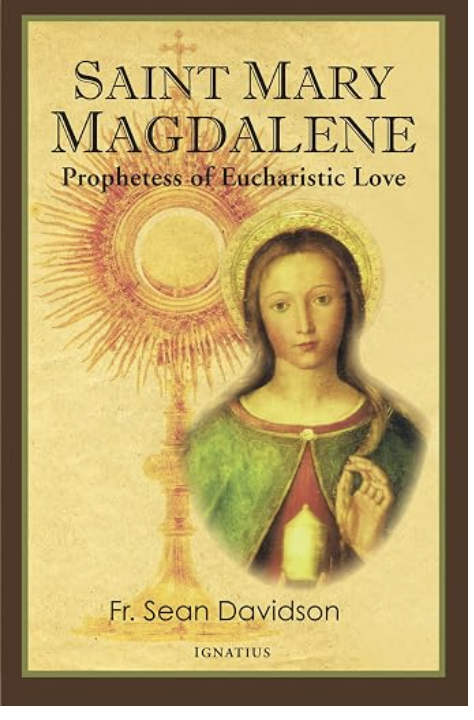
🎵 Watch & Worship: “Alabaster Box” by CeCe Winans
Inspired by the Gospel account of the woman who poured costly perfume from an alabaster jar at the feet of Jesus (Luke 7:36–50), “Alabaster Box” has become one of the most beloved contemporary Christian songs about repentance, forgiveness, and wholehearted worship. While the song draws on the biblical image of the alabaster jar, it also invites every believer to reflect on the personal cost of discipleship and the overwhelming mercy of Christ.
For St. Mary Magdalene, the alabaster jar has become one of her most recognizable symbols in Christian art. Although the Gospels distinguish Mary Magdalene from the unnamed sinful woman who anoints Jesus in Luke 7, Christian tradition has long associated the alabaster jar with Mary Magdalene’s loving devotion to Christ. As a result, artists throughout the centuries have portrayed her carrying the jar as a sign of her faithful discipleship and her transformed life.
CeCe Winans has spoken about why this song has remained so meaningful throughout her career:
“It’s all about worship… the woman recognizing who Jesus is. I know the difference that true worship really makes in a person’s life, and I’ve seen the effect and the impact of that song over the years.” (MovieGuide)
She has also described her first encounter with the song:
“I wept, and I wept, and I wept… It describes the meaning and the power of worship. There’s an anointing on that song!” (Sac Cultural Hub)
As you listen, reflect on Mary Magdalene’s unwavering love for Christ and ask yourself:
What is my own “alabaster box”—the gift of love, gratitude, or sacrifice that I am being called to offer to Jesus?